Stage 22.17PageCreate
Ways to Deepen Engagement After Partner Meeting 1
Collaborate with Partners · Partner Meeting 1
 Ways to Deepen Engagement with Partners
GUB’s data is clear: when youth engage in projects that enable them to contribute their own thoughts and ideas to real projects in their communities, they report a greater sense of belonging, civic knowledge and empowerment that comes from seeing their voices and ideas affect positive change. The longer the engagement, the greater these impacts can be!
The majority of your partners will complete Activities 1 and 2 with their youth communities, share the map data with you and feel satisfied; they won’t have the interest or the time to go deeper, and that’s a-okay! However, we want you to be prepared for some of your partners, and especially the young people themselves, who will express a desire to stay involved in the map-making project. We’ve created this page to support you in supporting them.
Should your partners express interest in going deeper with the CFC map project, there are a myriad of ways that they can continue being involved. Here are a few ways that classrooms we have worked with have extended this work:
Ways to Continue Contributing to the Map-Making Project
Map Feedback Partners: Map Feedback Partners are partners and their youth group who want to stay connected to the project from start to finish. They engage in Activities 1 and 2 and they are available to take a look at the map when you need youth feedback to help you take your latest map iteration to the next level.
Map Extension Partners: Map Extension Partners are partners and their youth group who are interested in taking the map further.
Enriching the Physical CFC Map: Partners and their youth groups might decide that they want to create something that would enrich the CFC map itself. Although there are exciting possibilities for this, you’ll quickly discover that your physical map will not be able to hold every idea. So in this case, you and your team would work closely with the partner and conceive of an extension together. It could be that the designers need more drawings from which to create landmarks or logos or maybe they need to gather feedback on a particular aspect of the map (like the key) or an iteration of the map. Possibilities might include:
-
-
- Engage teachers in leading a mini-lesson on keys and compass roses to accept submissions for key and compass rose designs for the map
- Have each classroom choose a landmark near their school to design for integration into the map
-
Enriching a Digital CFC Map: Creating a digital map, via Google or other platform after your physical map is complete, is a great way to accommodate young people’s ideas for expanding the map. The additions are endless:
-
-
- Create bike rides for families
- Create walking routes for families
- Research nature play and create your ideal nature playground. Then map it!
-
Ways to Utilize the CFC Map to Deepen Learning
Community Map Making: Every grade level starting with PreK has mapping curriculum and standards, so tapping into grade level standards can bring connection, meaning and real purpose to their “work”. Partners and youth groups might be interested in making their own child-friendly city map focusing on their school and surrounding neighborhood or creating a detailed map of a beloved location, like a nature trail or park. Early lessons from this map course can be adapted and easily used with youth.
Continuing Child-Friendly Cities Research: Partners might be interested in learning more about UNICEF, its purpose and what the Child Friendly Cities Initiative is all about. This could lead to all kinds of purposeful engagement, such as:
-
- Forming a pen pal friendship with a CFCI in another country to find out what it’s like living in a different country.
- Learning about Child Rights and Child Rights Education and presenting what they’ve learned to interested stakeholders, such as their school community, City Council, or Human Relations Commission. They might want to go further afield to their governor or state legislature.
Creative Explorations and Lessons: The potential for expanding on the lessons in the map-making process are endless, and we encourage you and your partners to explore and share whatever you come up with! To demonstrate the creativity of our own partners (and students!), we share here two examples:
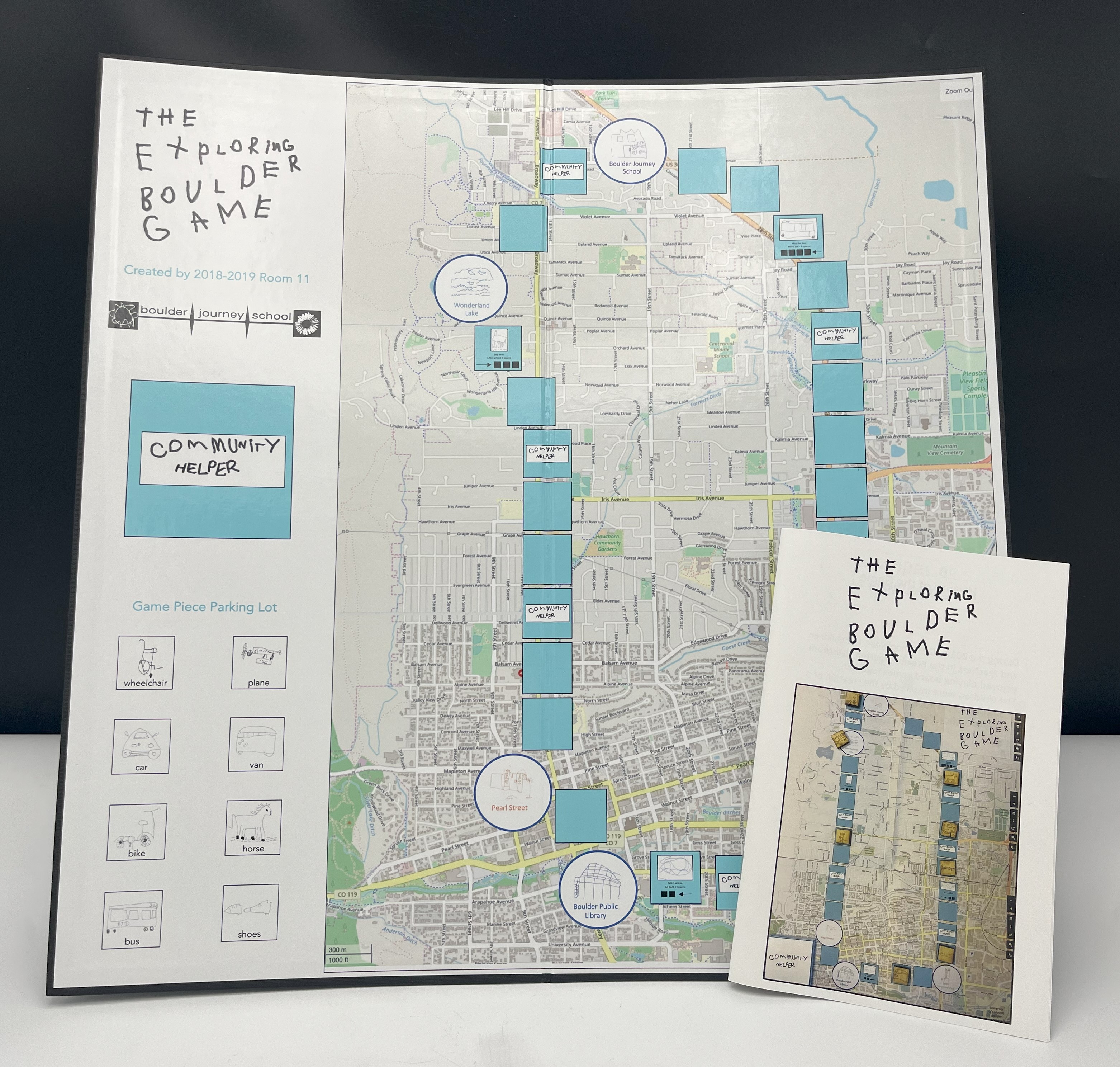
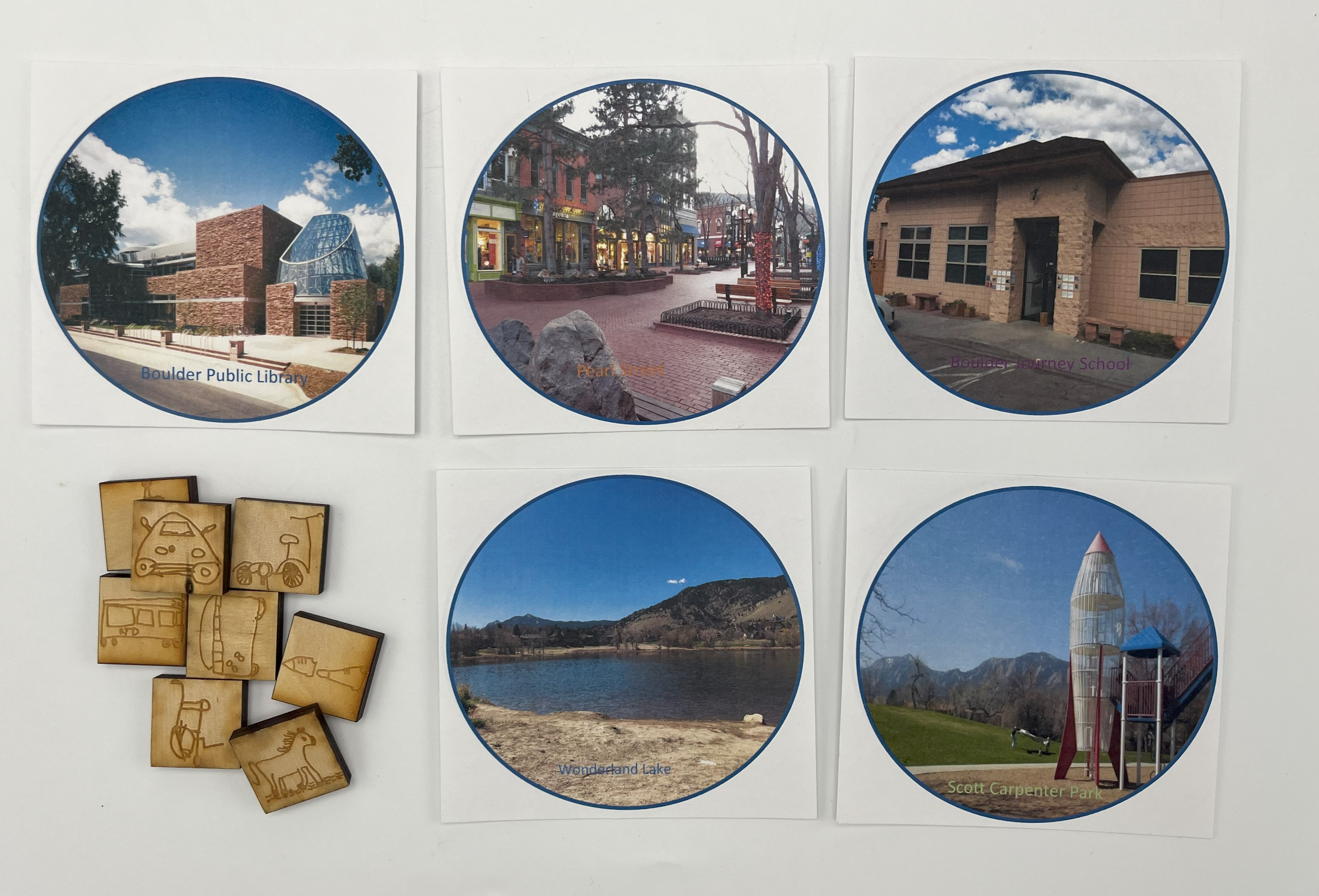
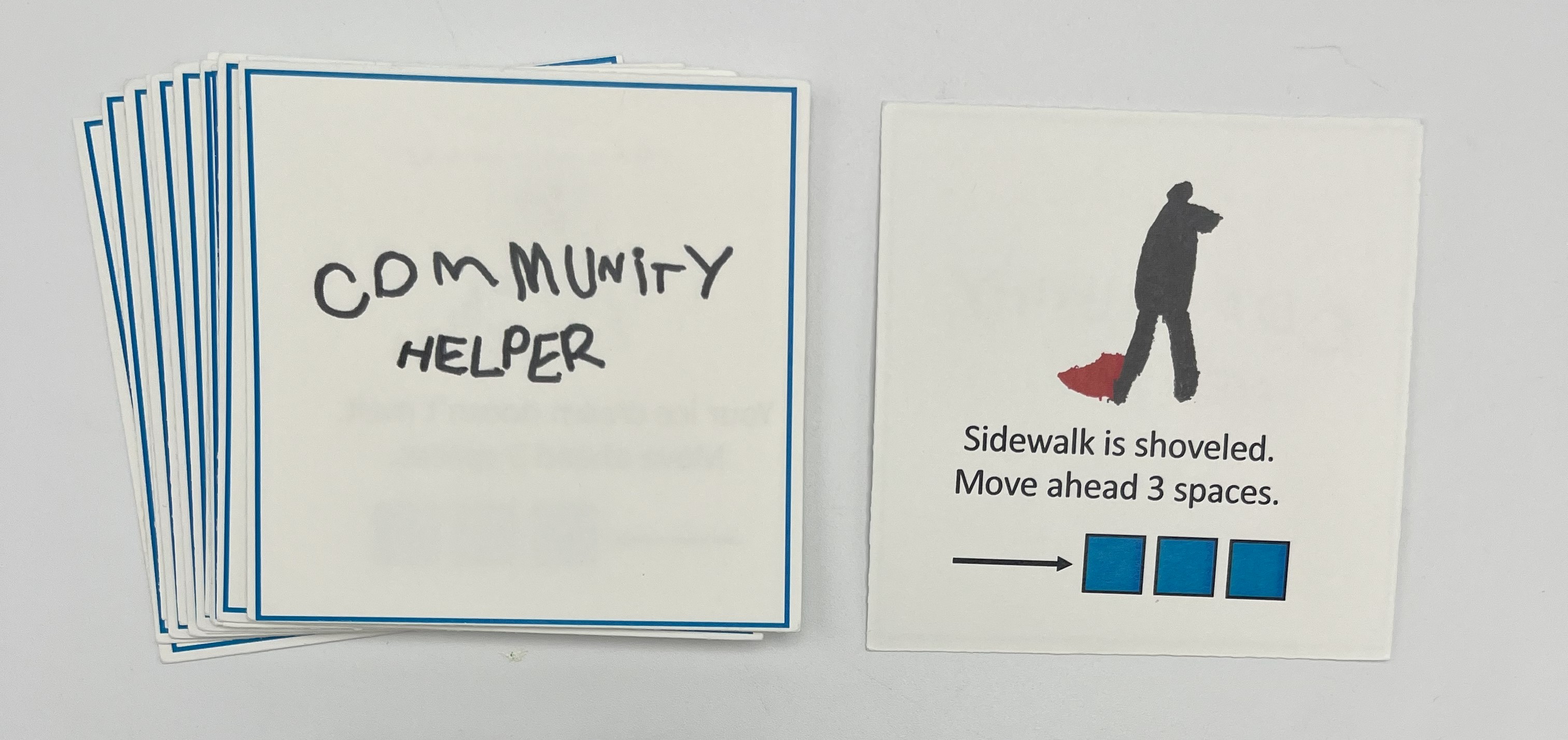
1. Boulder Journey School, a local Reggio Emilia preschool, who loved the map-making project so much that they spent weeks developing their own “The Exploring Boulder Game”. Follow the link to see a PDF of the game and a short description of how they created it! See page 9 in GUB’s Child-Friendly City Map Report for more information.
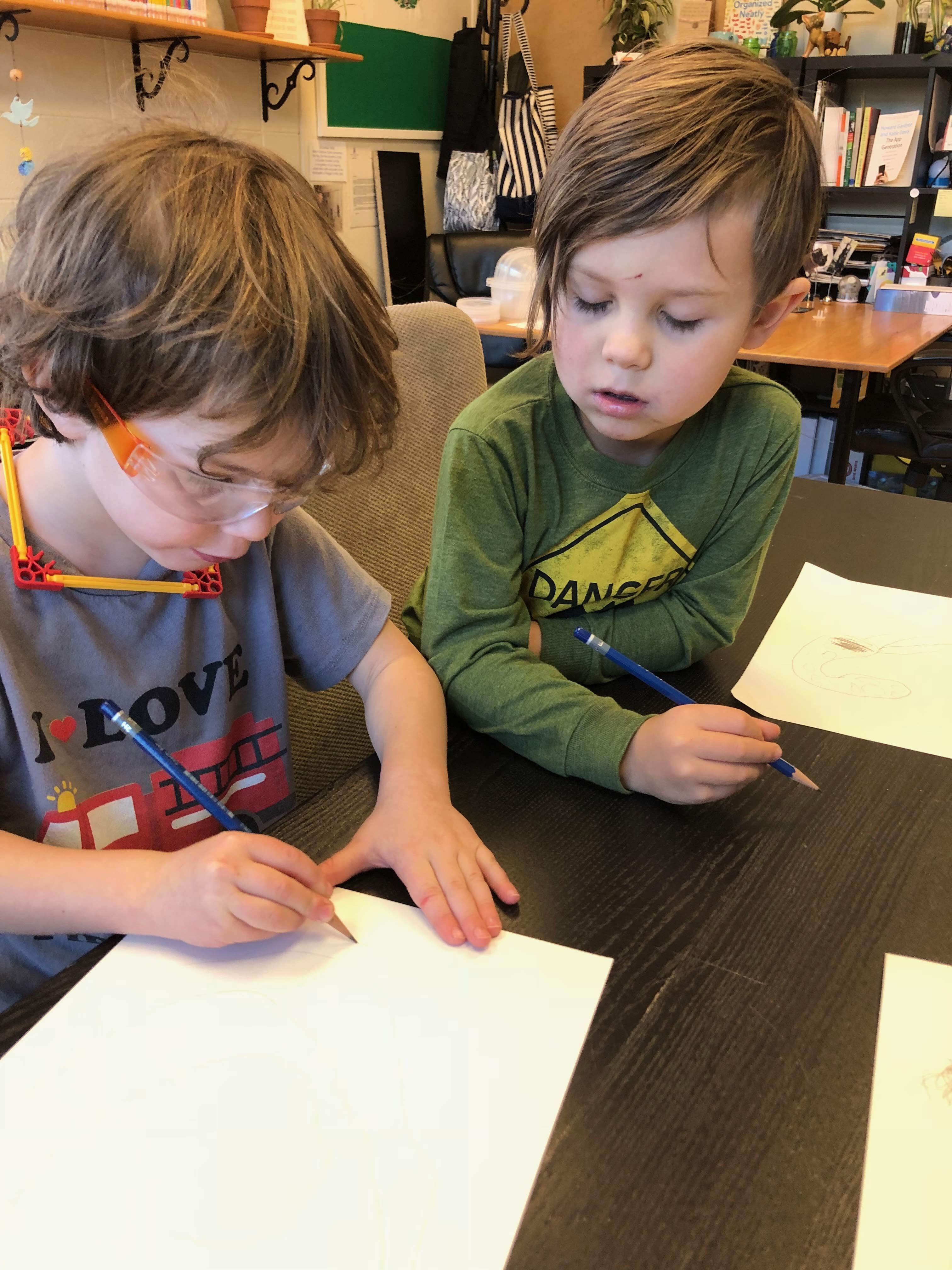
2. Two Kindergarten classes from Horizons K-8 School, a Boulder Valley School District school, decided to create student “Explore Boulder Backpacks” as a take-home weekend family activity. Each of the 5 Explore Boulder backpacks included a journal with an informational parent letter that explained the activity, and a stuffed animal indigenous to Boulder. Students and their families took turns taking the Explore Boulder Backpacks home with them for the weekend. During the weekend, families visited their favorite city locations, drew pictures and pasted photographs inside the journal as a way of telling GUB what map locations they recommended for the child-friendly city map. See page 11 in GUB’s Child-Friendly City Map Report for more information.
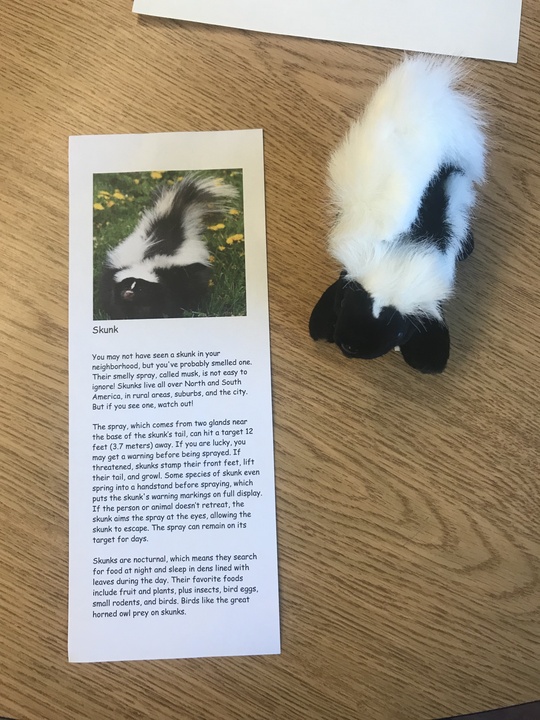 The Explore Boulder “Skunk” backpack
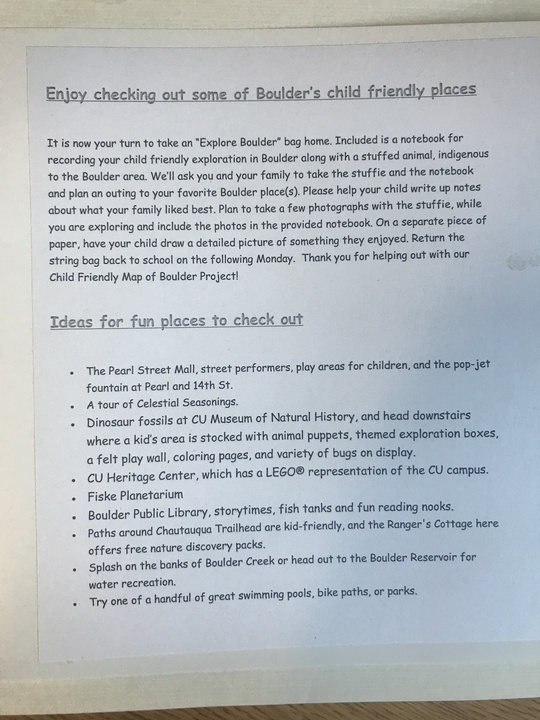 “Explore Boulder” backpack directions